

Oklahoma weather has a way of keeping homeowners on their toes. During the day, you’re enjoying the perfect fall afternoon. The next, you’re waking up to freezing temperatures and wondering where that cold draft is coming from.
Before winter settles in, fall is the perfect time to give your windows and doors a little attention. A few simple inspections can help you spot potential problems, make inexpensive improvements, and determine whether any windows or doors might need replacing.
Here are five things to check before the first freeze.
1. Feel for Drafts
A chilly room doesn’t always mean there’s a problem with your heating system. Oklahoma windows and doors are common sources of unwanted airflow, especially as weatherstripping wears down and seals deteriorate over time.
What to Know
Even well-insulated windows can feel cooler than surrounding walls during winter. But cold glass isn’t the same as cold air actively entering your home. Drafts around window frames, sashes, and trim can make rooms uncomfortable and force your heating system to work harder.
What to Check
- On a windy day, run your hand slowly around the edges of closed windows and doors to feel for moving air.
- Hold a lightweight tissue near the edges to detect subtle drafts.
- Make sure windows are fully closed and locked. A loose or improperly seated sash may prevent a tight seal.
The Quick Fix
If your windows are otherwise in good condition, replacing worn weatherstripping or sealing small gaps may be enough to reduce unwanted airflow.
2. Inspect Seals & Weatherstripping
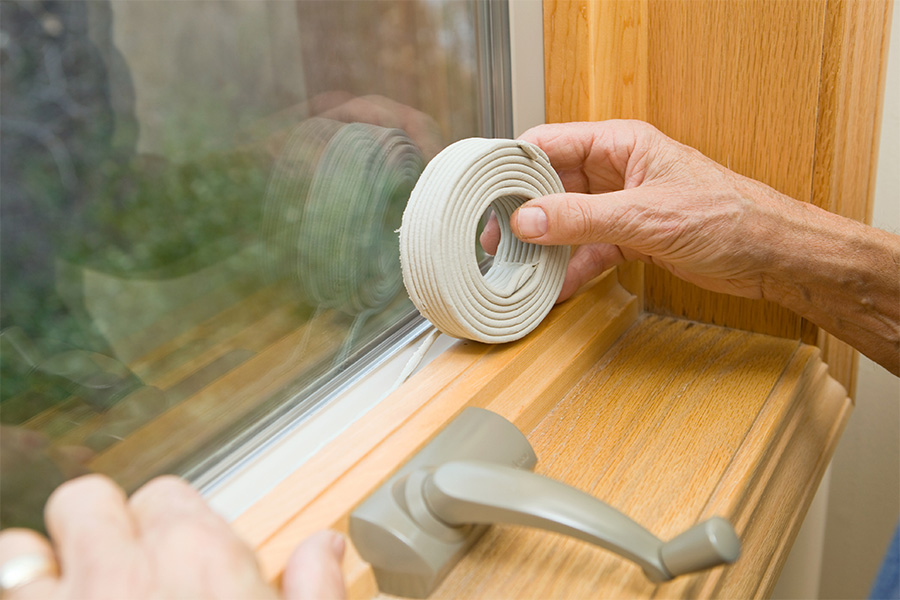
Weatherstripping and caulking aren’t the most exciting home improvements, but they play an important role in keeping the outdoors where it belongs.
What to Know
Weatherstripping creates a flexible seal around moving parts of windows and doors, while caulking seals stationary joints and gaps. Over time, Oklahoma’s extreme temperatures, sunlight, and changing weather can cause these materials to crack, shrink, or lose their effectiveness.
What to Check
- Look for cracked, brittle, flattened, or missing weatherstripping around windows and doors.
- Inspect exterior caulking where window and door frames meet surrounding materials.
- Check for visible gaps or places where caulking has pulled away from the surface.
The Quick Fix
Replacing worn weatherstripping and refreshing deteriorated caulking are relatively inexpensive DIY improvements. Just be careful not to seal window drainage openings or any parts designed to move.
3. Watch for Window Condensation
A little fog or condensation on a window might seem harmless, but where that moisture appears can tell you a lot about what’s happening with your windows.
What to Know
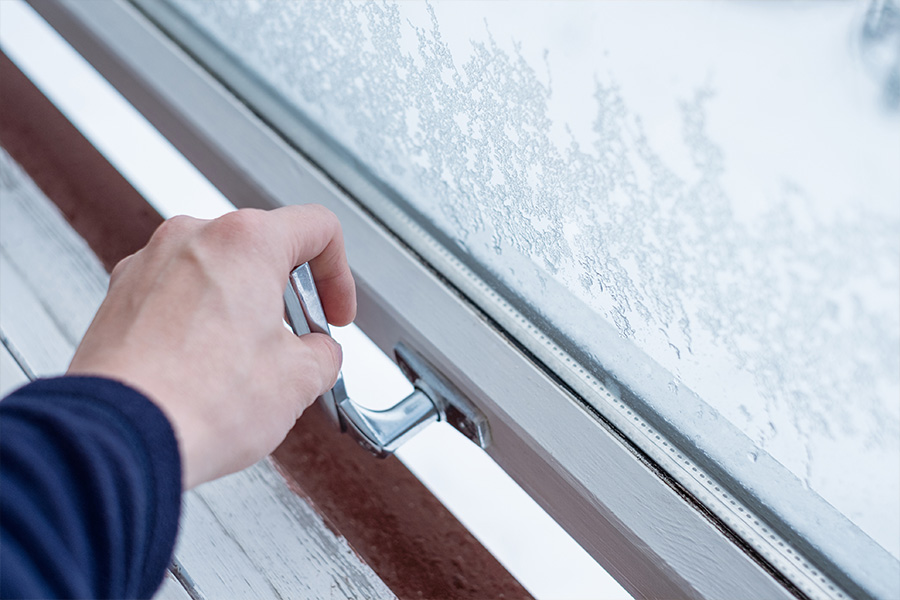
Condensation on the inside surface of a window typically occurs when warm, humid indoor air meets cooler glass. It doesn’t necessarily mean your window is failing. However, moisture trapped between the panes of double- or triple-pane windows often indicates a failed insulating glass seal.
What to Check
- Notice whether condensation forms on the room-facing surface, outside surface, or between the glass panes.
- Look for persistent fogging or a cloudy appearance that can’t be wiped away from either exposed surface.
- Inspect window frames and sills for moisture damage, staining, or signs of mold.
The Quick Fix
If condensation is forming indoors, try reducing excess humidity by using bathroom and kitchen exhaust fans and improving airflow around windows. If moisture is trapped between panes, the glass unit may need professional attention or replacement.
4. Make Sure Doors Shut Out the Cold
Your entry and patio doors do more than welcome people into your home… and/or keep rival fans from joining your watch party. They also act as barriers against wind, cold air, and moisture.
What to Know
Even a quality exterior door can become less effective when its weatherstripping, threshold, or hardware wears out. Doors that don’t close or latch properly may leave small gaps that allow cold air inside. Sliding patio doors can develop similar problems when tracks become dirty or components wear down.
What to Check
- Close and latch exterior doors, checking for gaps or visible daylight around the edges and bottom.
- Inspect door sweeps, thresholds, and weatherstripping for signs of wear.
- Open and close patio doors to make sure they slide smoothly and seal securely.
- Check for sticking, loose hardware, or difficulty engaging the lock.
The Quick Fix
Replacing a worn door sweep, cleaning patio door tracks, or making minor threshold adjustments may improve the seal without replacing the entire door.

5. Take the Room-by-Room Comfort Test
You know your home from top to bottom, so sometimes just paying attention to how it feels is just as valuable as a cursory inspection.
What to Know
Not every window in your home performs the same way. Age, size, location, installation quality, sun exposure, and heavy use can all affect efficiency and performance. A single trouble spot might make an entire room uncomfortable, even when the rest of your home’s windows are performing just fine.
What to Check
- Pay attention to rooms that feel noticeably colder than others, especially on windy or freezing days.
- Note areas where you regularly notice drafts, excessive condensation, or outside noise.
- Identify windows or doors that are difficult to open, close, or lock.
- Make a short list of problem areas so you can prioritize improvements based on comfort and budget.
The Quick Fix
Start with the simplest issues first, such as sealing gaps or replacing weatherstripping. If a particular window or door keeps causing problems, consider having it evaluated before committing to a larger replacement project.

A Little Preparation Goes a Long Way
Getting your home ready for colder weather doesn’t have to mean tackling a major renovation. Sometimes, a few small improvements are all it takes to make your home more comfortable.
And if you discover that a window or door really does need replacing, remember that you don’t have to do everything at once.
At Bright Light Window Co., we believe the right improvement is the one that makes sense for your home and your budget. Whether that’s replacing a single drafty window, upgrading an entry door, or planning a larger project, we’re here to help you make a confident, informed decision.
